Is it Time for B2B Marketing to Stop Being the Dull One at the Party?
John Walters • 30 April 2025

In the creative world, B2B marketing has long been seen as the less exciting, more sensible sibling of B2C. The one who insists on an early night while B2C is out there leading the conga.
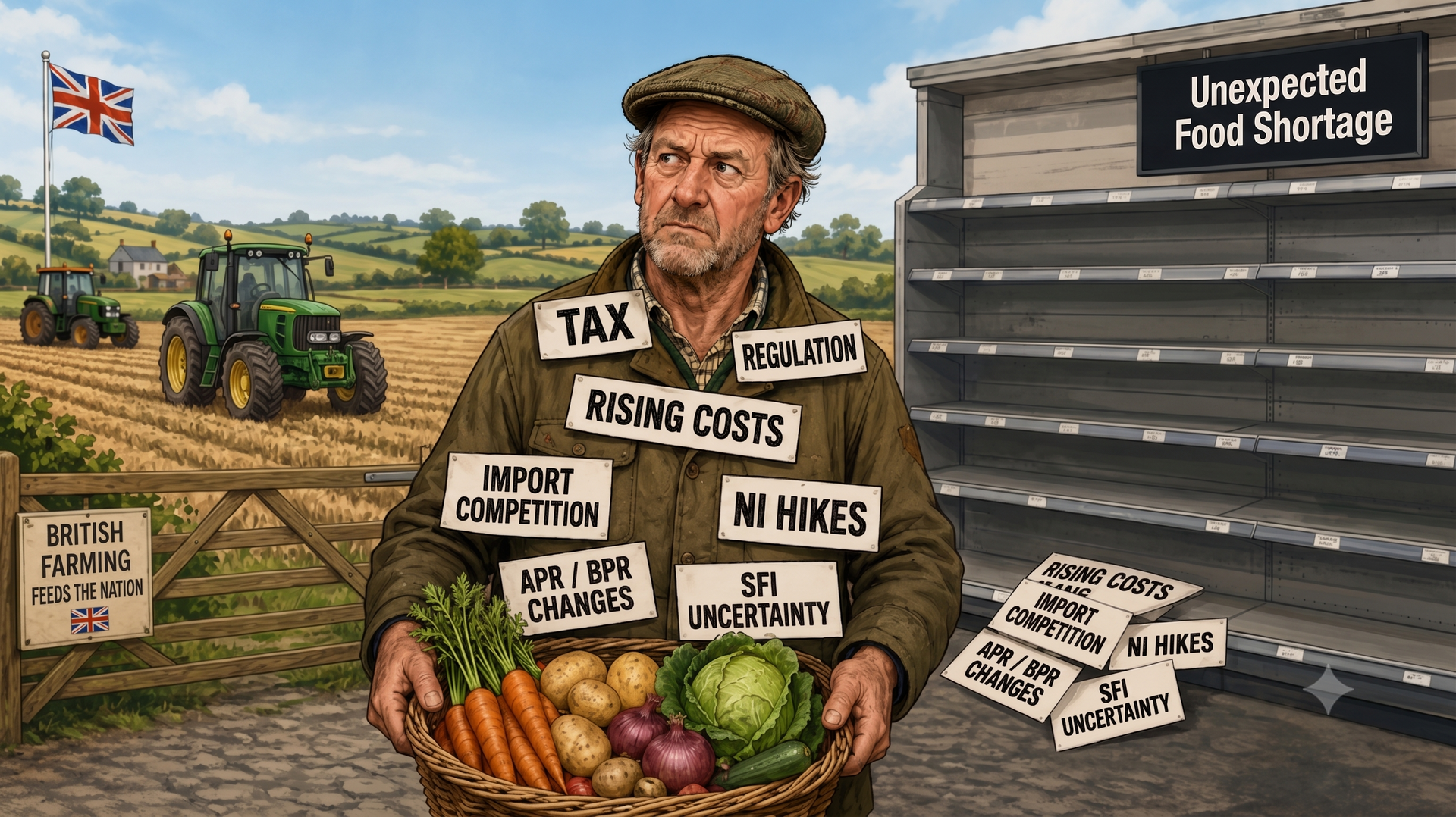
While consumer brands revel in big ideas, emotional storytelling, and lavish campaigns, B2B often plays it safe – functional messaging, corporate jargon, and visuals that could double as stock images for a PowerPoint template titled ‘We’re business people’.
But why? Are B2B customers wired differently? Are the stakes higher? Or has the industry just convinced itself that ‘serious’ has to mean ‘dry’?
The truth is, B2B marketing has just as much potential to be bold, memorable and (dare I say it)
actually enjoyable. Some brands are already proving it – including a few we’re proud to call clients. So, isn’t it about time the rest of the industry caught up?
Nobody Ever Took the Lead by Playing it Safe
For decades, B2B marketing has been built on the holy trinity of logic, efficiency, and practicality. The assumption? B2B buyers make decisions with the cool detachment of a chess grandmaster. So B2B marketing must be strictly rational, professional, and entirely devoid of anything that might spark, say, joy.
This has resulted in a vast sea of forgettable branding, generic messaging, and enough stock photography of handshakes to fill an entire ‘Business Deals 101’ coffee table book.
I guess, the issue isn’t a lack of creative talent — it’s the environment. Procurement-led processes that prioritise cost over impact. Committees that sand down every bold idea. Risk-averse leadership that neuters anything with personality.
But in a world where attention spans are shorter than ever (are you still even reading this?), blending into the background isn’t a safe bet. It’s a fast track to irrelevance.
Who Says B2B Buyers are Different?
One of B2B’s greatest myths (and the one that winds me up most) is that the audience is fundamentally different from B2C consumers. Yes, they’re buying on behalf of their companies. But they’re still people. They have emotions. They laugh at good jokes, roll their eyes at bad ones, and respond to brands that speak to them like humans, rather than business jargon junkies.
Some B2B brands have already clocked this.
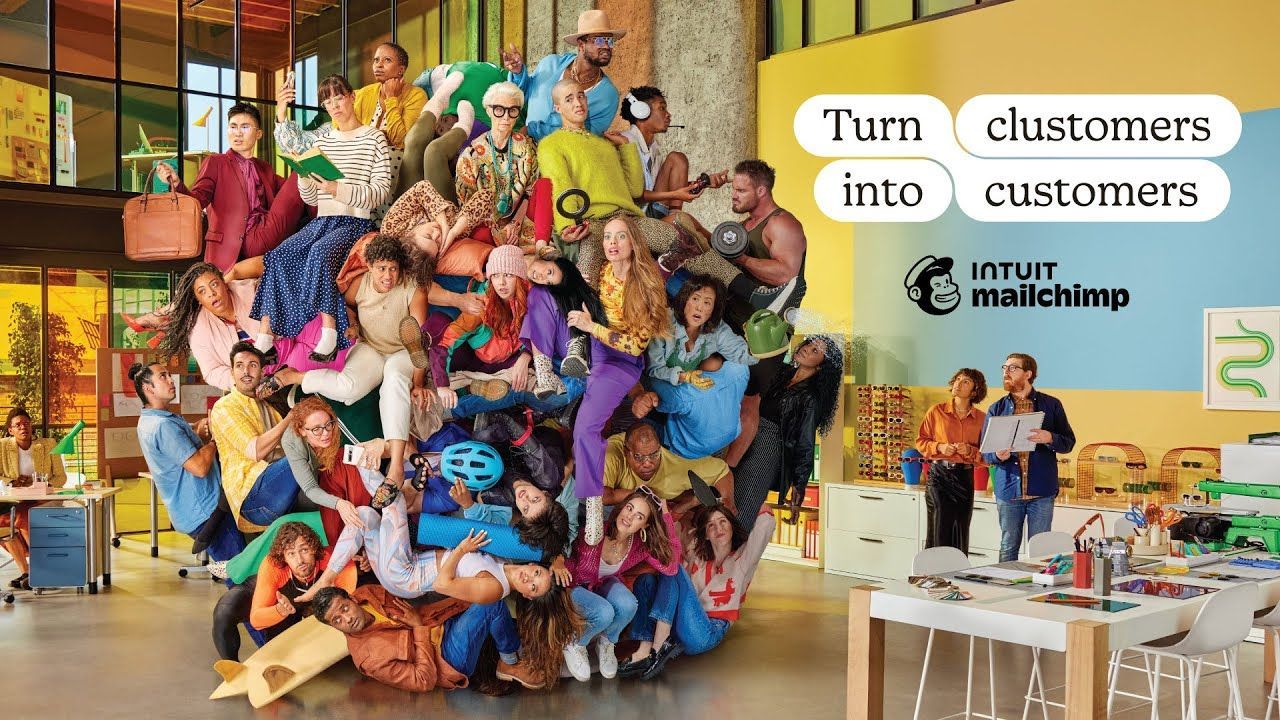
Take Mailchimp, who’ve built a brand bursting with personality and insight. One of my favourites is their recent “Turn clustomers into customers” campaign. Kinda reminds me of an ad we once came up with for Kellogg’s – but that’s not why I like it.
As a campaign platform, it showcases their ability to personalise comms, but does it in a visually curious, playful way. And there’s not a stock image of a deal-closing handshake in sight.
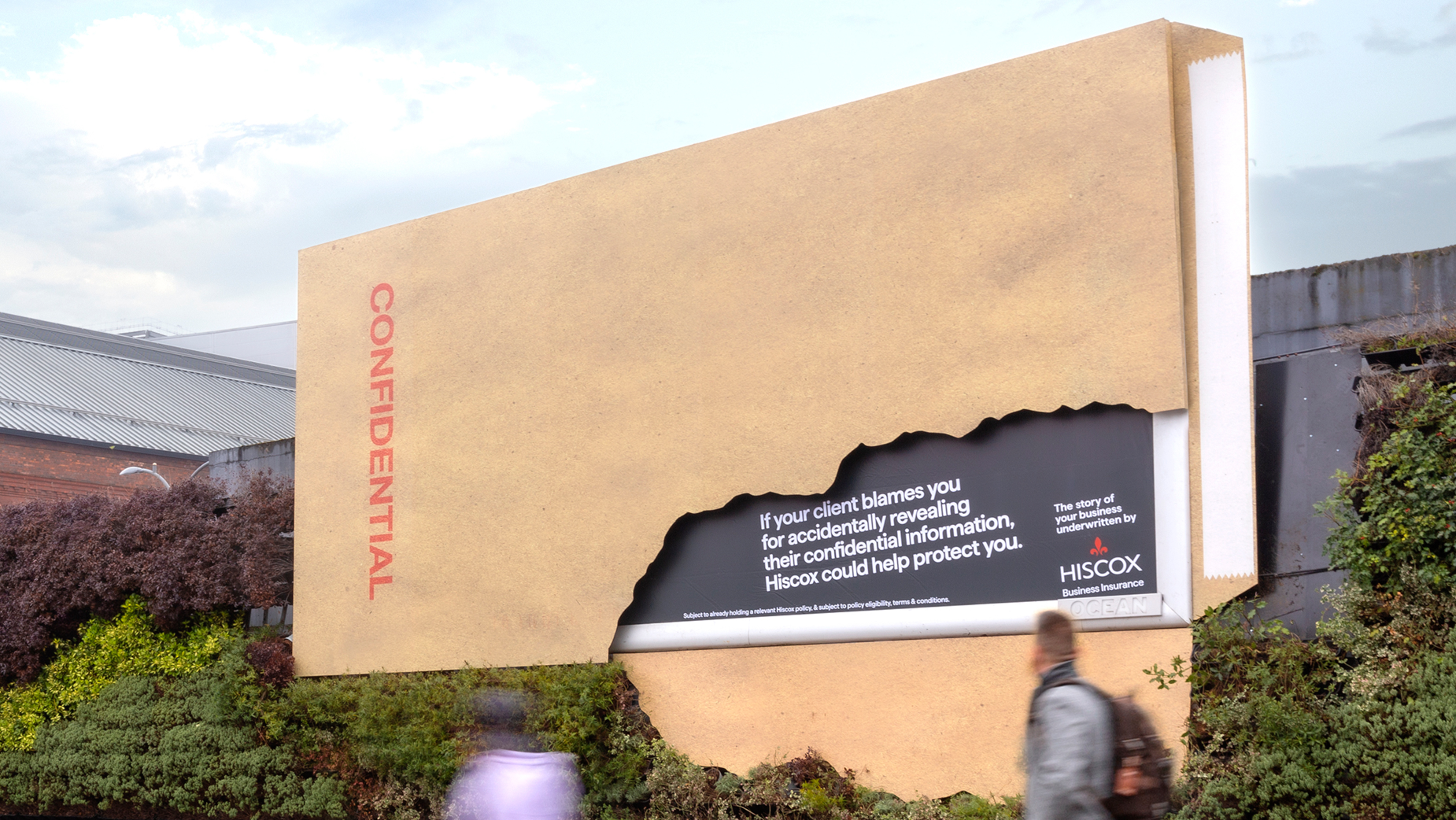
Or this gem of a campaign for Hiscox Business Insurance, which absolutely nailed the insight with “The Most Disastrous Campaign Ever.”
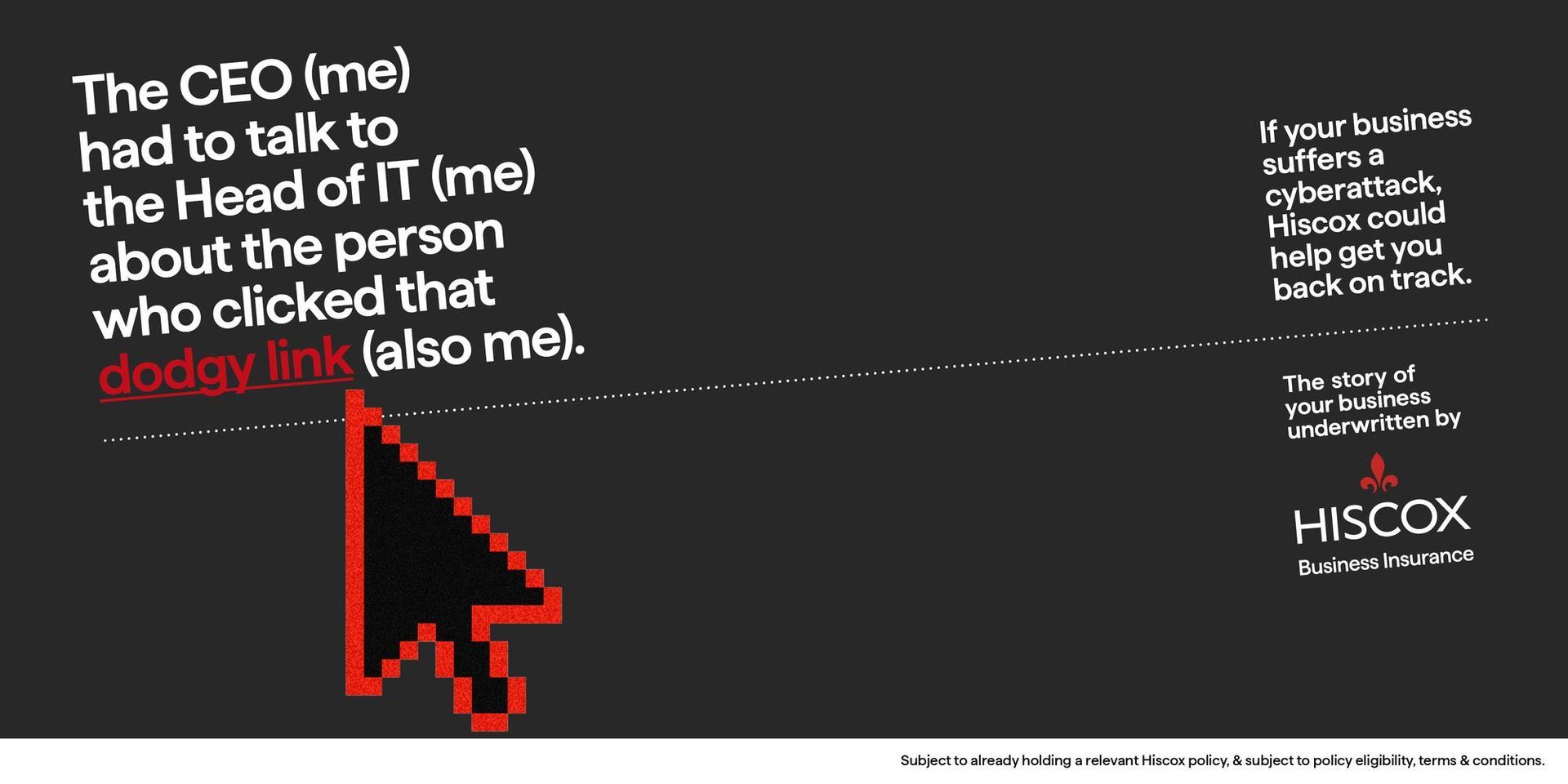
It dramatises the small mistakes that have big consequences with sharp writing and clever media ideas that keep on giving.
(Genuinely annoyed I didn’t think of this one.)
For one of our own clients, DigiHaul, we built a campaign platform which acknowledged that whilst everyday in the logistics industry is full of headaches, for DigiHaul it's just another day on the job.
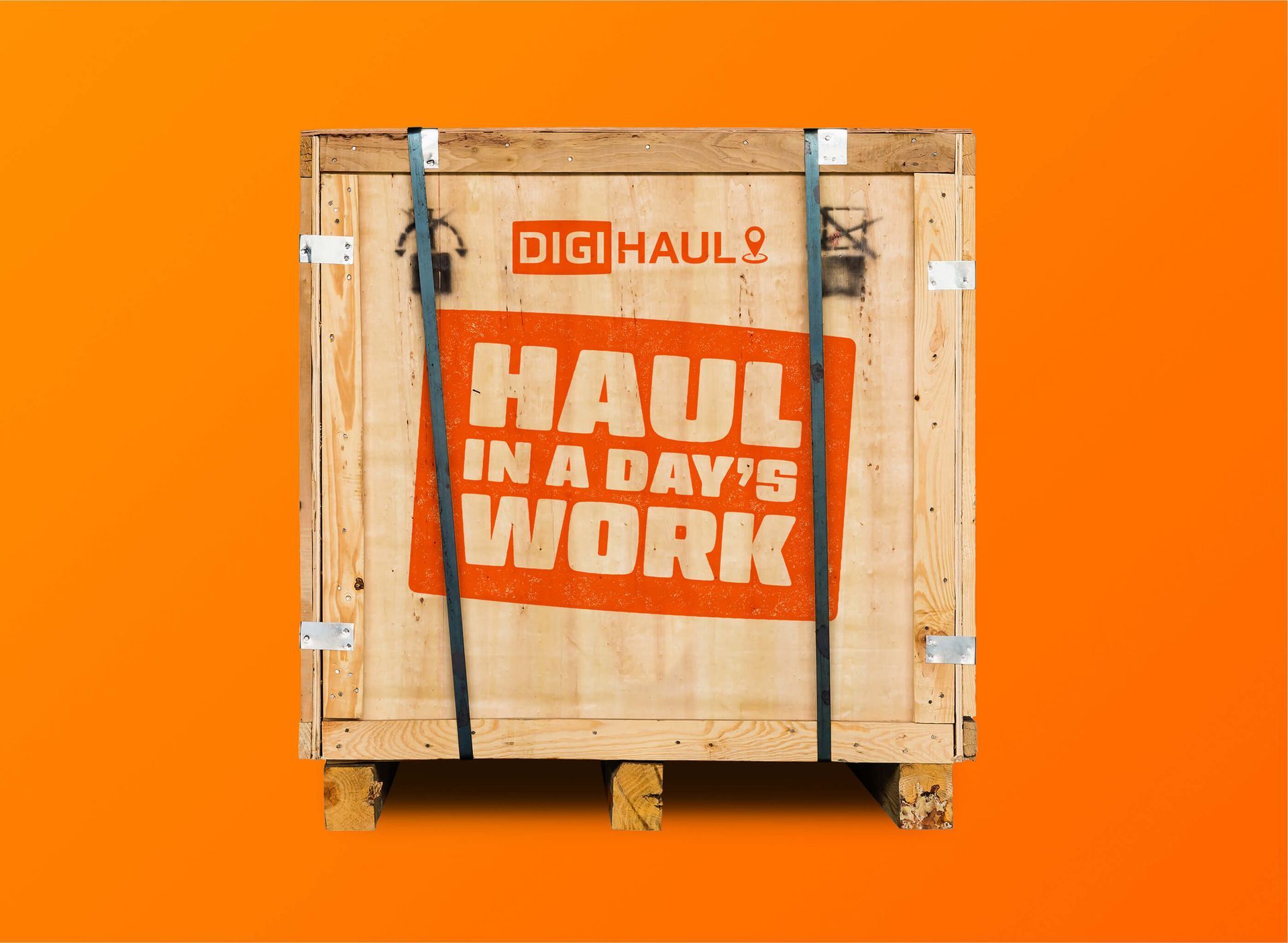
With a positive can-do attitude and the digital solutions to back it up, their suite of products is the ray of hope everyone’s been looking for.
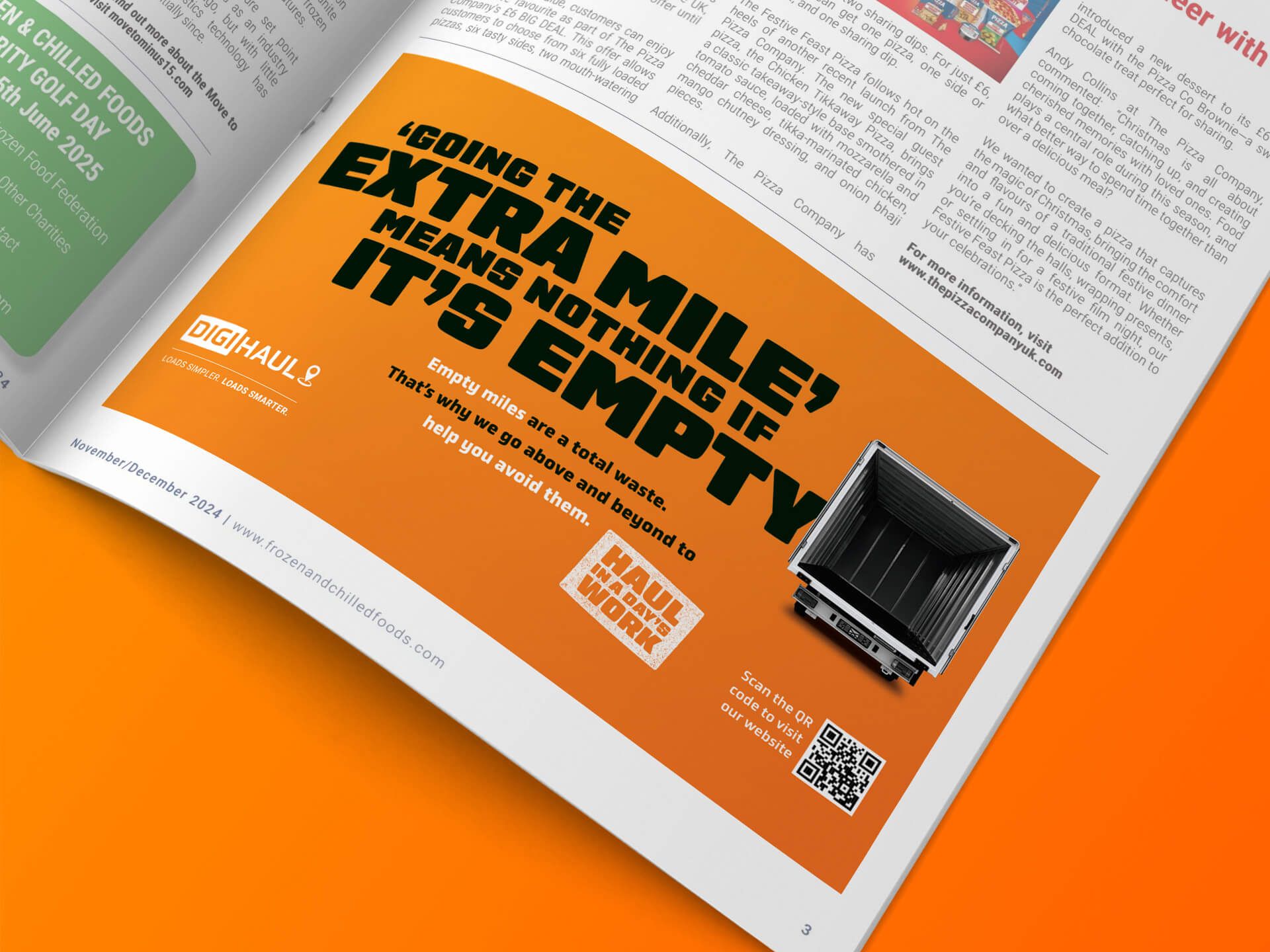
So, we leaned into a confident, can-do tone and positioned DigiHaul as the partner that makes modern logistics a little less painful, and a lot more possible.
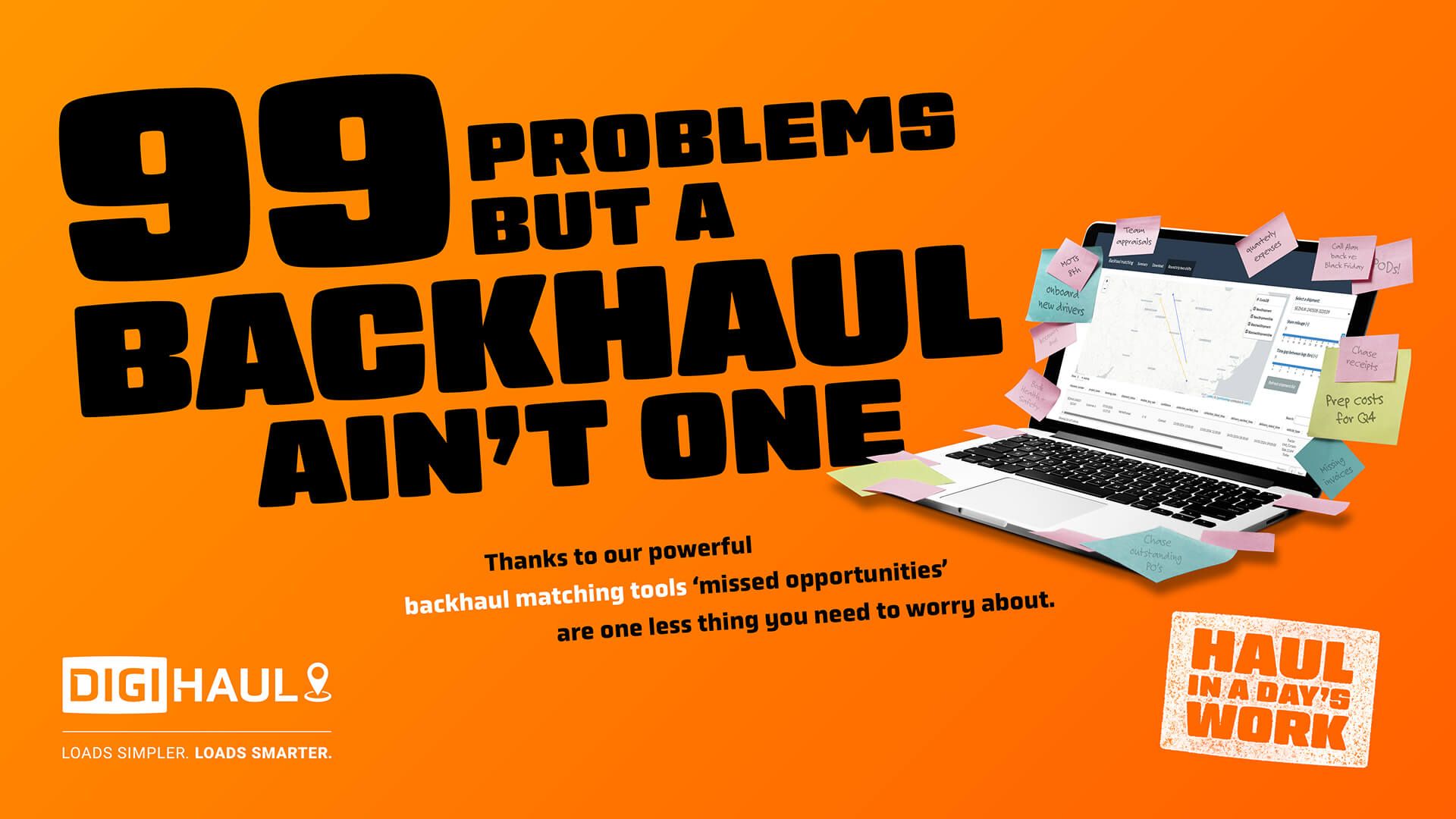
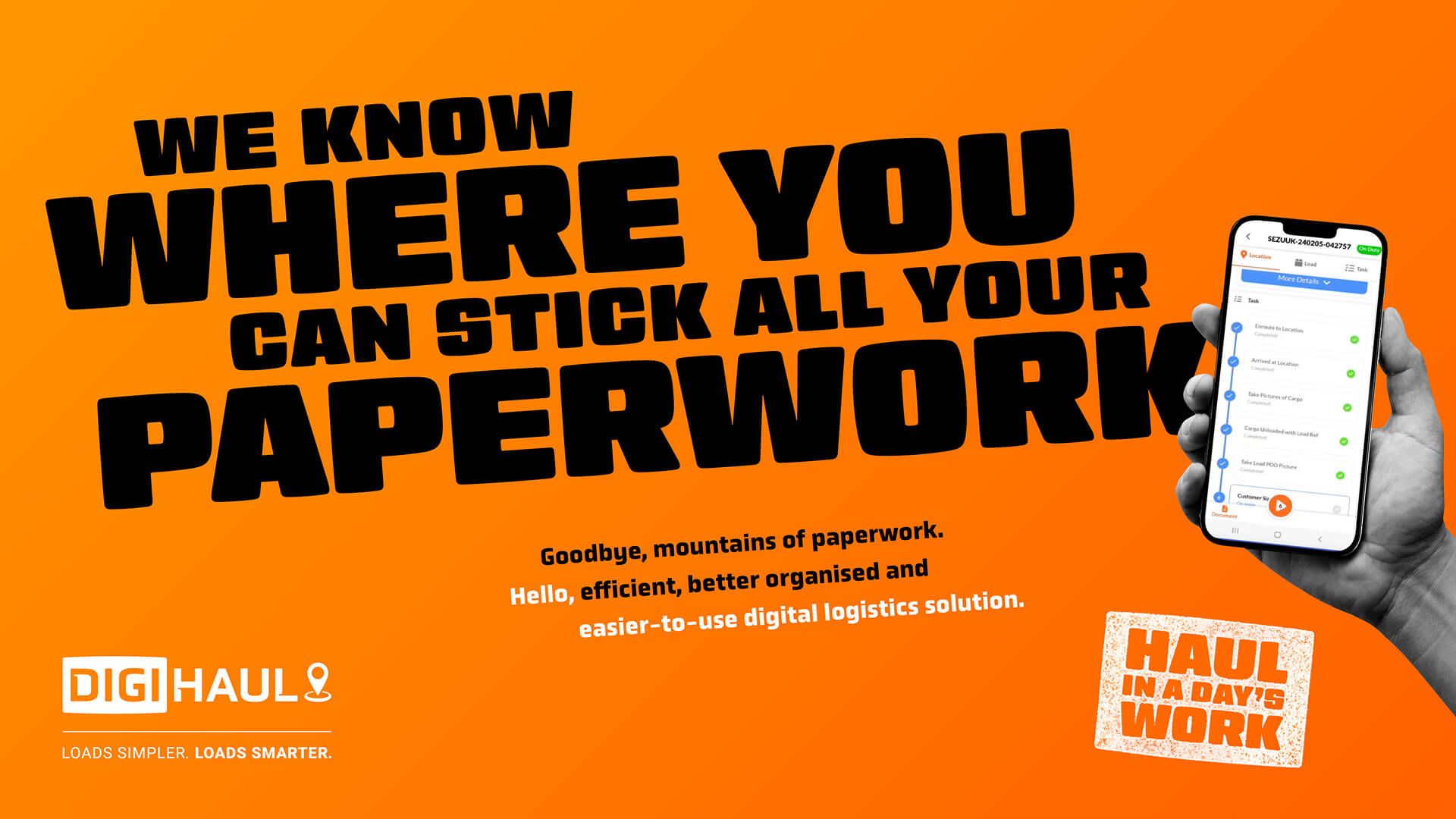
What all of these examples have in common? They understand their audience’s pain points, they know the role their product plays in solving them, and they’re not afraid to be liked.
So why does so much of B2B marketing still feel like it was written by a bot trained exclusively on Terms and Conditions pages?
The Cost of Thinking Small
If a key marketing goal is to be remembered, playing it safe is a surefire way to be forgotten. And that forgettability can cost you dearly:
- Lookalike brands? Ignored. If you sound like everyone else, don’t be surprised when they pick the other guy.
- No brand investment? Hello, short-termism. Many B2B companies focus relentlessly on lead generation whilst forgetting that strong brands make lead generation easier.
- Dull content? Straight to the “I’ll read this later” folder. (Spoiler: they won’t.)
We’ve all seen those lonely LinkedIn posts with a single like (usually from the person who wrote it). Those aren’t just creative missteps. They’re missed opportunities. In a world where attention is rarer than a quiet train carriage on a Monday morning commute, brands that fail to make an impression are left standing on the platform.
So, What Needs to Change?
If B2B marketing is ever going to shake off its dull reputation, a mindset shift is required.
- Creativity is a business strategy. It’s not a luxury or a line item. Great creative work doesn’t just win awards; it wins customers. It’s how brands connect, differentiate, and grow.
- Client-agency relationships need rewiring. Endless revisions, layered approvals, and the fear of ruffling a few corporate feathers kills great work. Trust the process. Back the bold idea.
- Leadership must take brand building seriously. The most successful B2B companies treat brand as an asset, not an afterthought. They know that a strong brand makes every other aspect of marketing pay off.
Stop seeing creativity as something to
‘sign off’. Start seeing it as something to champion.
Let’s Take B2B from Boring To Brilliant
So, here’s my challenge to you:
If you’re an agency, don’t be afraid to push for braver work, fight for standout ideas, and lead clients out of their comfort zone.
As for brands, this also means embracing creative risk, prioritising long-term brand building, and telling stories that stick.
This doesn’t require a total reinvention. Small shifts make a big difference. A touch of personality here, a smattering of ‘more human’ language there. Better visuals. Less corporate bullshit. Ask yourself: Would I care if I saw this? If not, scrap it.
The brands that embrace creativity will win. The rest? They’ll quietly fade into the feed.
It’s time for B2B to stop being the predictable, sensible cousin. The idea that B2B has to be serious to be credible? That’s as outdated as a Flash-powered website.
The best brands, whether B2B or B2C, make emotional connections, challenge expectations, and refuse to be ignored.
So… will B2B finally step onto the dancefloor?
That part’s up to us.
OTHER POSTS